2026-02-28 ·
Pre Sales Management: Complete Guide [2026]
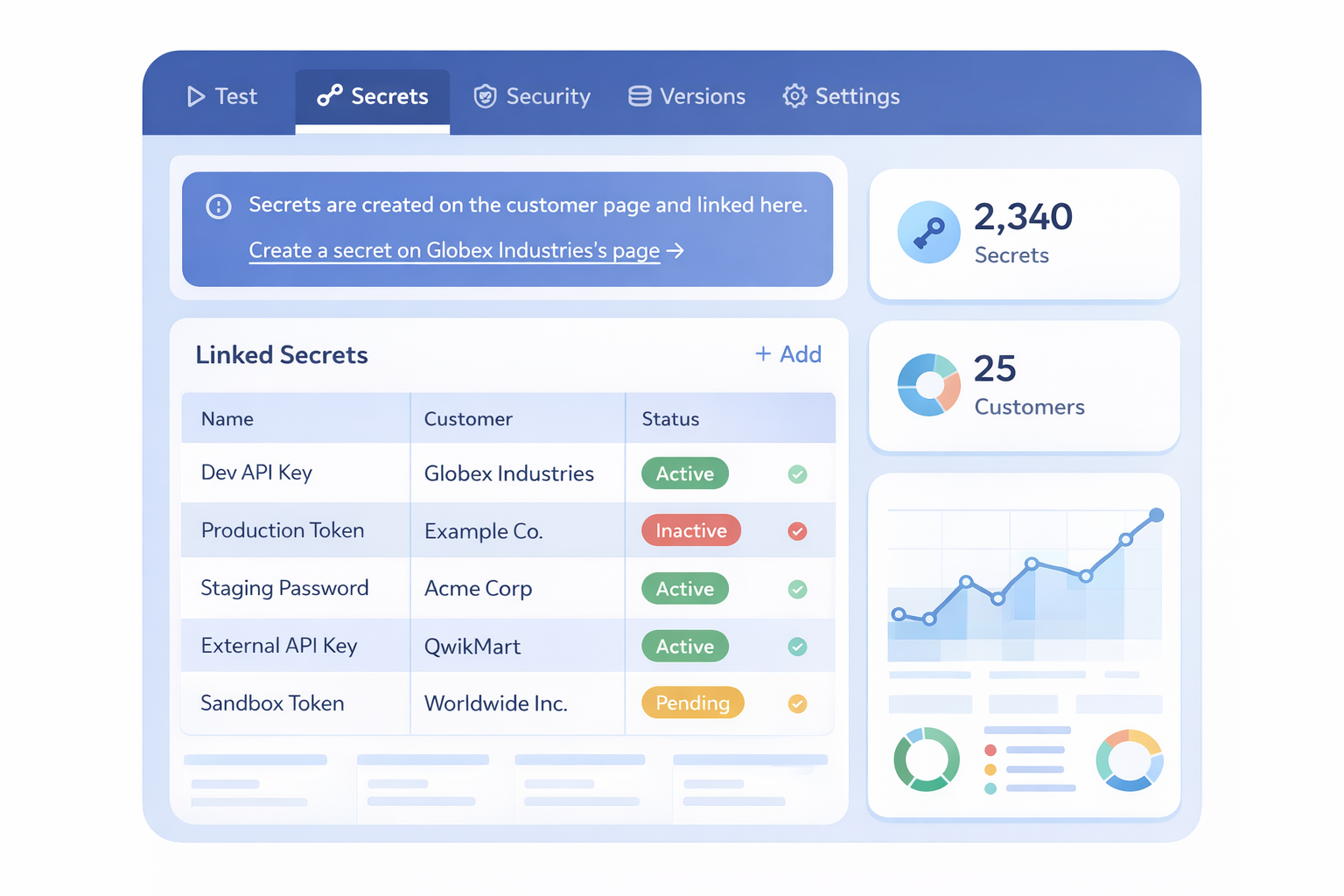
Pre sales management is the strategic coordination of technical activities and resources that happen before a deal closes. It involves managing sales engineers, technical demos, proof-of-concepts, and custom integrations to move prospects through the buying process.
If you're a sales leader at a B2B software company, you know the pain. Your deals stall because prospects need custom integrations that engineering can't prioritize during the sales cycle. Your sales engineers spend weeks waiting for technical resources instead of selling. Meanwhile, competitors who can demonstrate technical feasibility faster are winning deals you should have closed.
This guide shows you how to build an effective pre sales management system that accelerates deal velocity, increases win rates, and scales your sales engineering capacity. You'll learn proven strategies used by successful B2B software companies to eliminate technical bottlenecks and close more deals faster.
Key Takeaways
- Pre sales management coordinates technical activities before deal closure to accelerate sales cycles
- Extended sales cycles due to technical delays reduce conversion rates and revenue significantly
- Effective pre sales processes can reduce deal closure time by eliminating engineering bottlenecks
- Sales engineers need proper tools and frameworks to build integrations safely during sales cycles
- Customer self-service capabilities reduce ongoing support burden for sales teams
Why Is Pre Sales Management So Challenging in 2026?
The biggest challenge in pre sales management today is the technical complexity gap. Your prospects want to see how your software integrates with their existing systems before they buy. But your engineering team is focused on product development, not sales support.
This creates a bottleneck that kills deals. Sales engineers lack the tools and security framework to safely build integrations with customer credentials. They can't demonstrate technical feasibility fast enough to compete with vendors who have better pre sales processes.
The result? Extended sales cycles that hurt your conversion rates and revenue. Your sales engineers spend excessive time on manual technical setup instead of selling. And even when you do close deals, the lack of customer self-service capabilities creates an ongoing support burden that drains resources from new sales efforts.
For B2B software companies, this problem is getting worse. Buyers expect faster technical validation. Your competitors are investing in better pre sales tools. And your sales team is under pressure to close deals faster while handling increasingly complex technical requirements.
- Deals are lost because prospects need custom integrations that engineering can't prioritize during the sales cycle
- Sales Engineers lack the tools and security framework to safely build integrations with customer credentials
- Extended sales cycles due to technical proof-of-concept delays reduce conversion rates and revenue
- Sales Engineers spend excessive time on manual technical setup instead of selling
- Lack of customer self-service capabilities creates ongoing support burden for sales teams
How Do You Build Effective Pre Sales Management?
The solution is to give your sales engineers the right tools and processes to handle technical requirements during the sales cycle. This means three key components working together.
First, you need rapid integration development capabilities. Instead of waiting weeks for engineering resources, your sales engineers should be able to build and deploy custom integrations in minutes. AI-powered code generation can create production-ready integration code based on simple descriptions of what you need.
Second, implement proper team management and security controls. Your sales engineers need role-based access controls, secure credential management, and visibility into who's working on what. This lets them move fast while maintaining security compliance.
Third, create customer self-service portals. Give each prospect a branded dashboard where they can manage API keys, view integration status, and trigger actions without requiring engineering support. This reduces your support burden and gives customers the control they want.
When these pieces work together, you can demonstrate technical feasibility faster than competitors. Your sales engineers focus on selling instead of waiting for technical resources. And you maintain security compliance while enabling rapid customer system connections.
How to Implement Pre Sales Management in 6 Steps
Here's your step-by-step approach to building an effective pre sales management system that accelerates deals and scales your sales engineering capacity.
1. Audit Your Current Pre Sales Process
Start by mapping your current process from first demo to deal closure. Track how long technical activities take and where deals stall. Identify which integrations you build repeatedly and which prospects request most often. This baseline helps you measure improvement and prioritize which technical capabilities to build first.
2. Set Up Rapid Integration Development
Implement tools that let your sales engineers build integrations without waiting for engineering resources. Look for platforms with AI-powered code generation that can create production-ready integration code from simple descriptions. Your sales engineers should be able to build and deploy integrations in minutes, not weeks.
3. Implement Security and Team Management
Create role-based access controls so team members only see what they need. Set up secure credential management so sales engineers can work with customer API keys safely. Assign integration ownership so everyone knows who's responsible for what. This maintains security while enabling speed.
4. Create Customer Self-Service Portals
Give each prospect a branded dashboard where they can manage their own API keys, view integration status, and trigger actions. This reduces the support burden on your sales team and gives customers the control they expect. Make sure the portal reflects your brand and integrates with your existing sales process.
5. Train Your Sales Engineering Team
Your sales engineers need to understand the new tools and processes. Focus training on common integration patterns, security best practices, and how to use customer portals effectively. Create documentation and playbooks so team members can onboard quickly and maintain consistency.
6. Monitor and Optimize Performance
Track key metrics like time from first demo to technical validation, integration deployment success rates, and customer portal usage. Monitor deal velocity and win rates to measure the impact on your sales performance. Use this data to continuously improve your pre sales management process.
Frequently Asked Questions
What is the definition of pre sales?
Pre sales refers to all technical and consultative activities that happen before a deal closes. This includes technical demos, proof-of-concepts, custom integrations, and solution design. The goal is to prove technical feasibility and business value to move prospects through the buying process.
How does pre sales management differ from regular sales management?
Pre sales management focuses specifically on technical activities and resources needed to support the sales process. While regular sales management covers the entire deal lifecycle, pre sales management concentrates on technical validation, integration development, and proof-of-concept delivery that happens before contracts are signed.
What are managed services in pre sales?
Managed services pre sales involves outsourcing or systematizing the technical activities needed to support your sales process. This can include using specialized platforms to handle integration development, technical demos, and customer onboarding so your internal team can focus on selling rather than technical implementation.
How can you accelerate your sales cycle through better pre sales management?
Sales cycle acceleration happens when you eliminate technical bottlenecks that cause deals to stall. This means giving sales engineers tools to build integrations quickly, creating customer self-service capabilities, and automating repetitive technical tasks. The faster you can prove technical feasibility, the faster deals move to closure.
What tools do sales engineers need for effective pre sales management?
Sales engineers need platforms that enable rapid integration development, secure credential management, team collaboration tools, and customer portal capabilities. The key is having everything integrated so they can move from technical requirements to working demonstrations without waiting for engineering resources or complex setup processes.
Ready to Accelerate Your Pre Sales Process?
Stop losing deals to technical delays. See how Pre-Sales Custom Integration Development can help your sales engineers build and deploy integrations in minutes, not months.